Skip The Waiting Room!
Register Online Before You Arrive.
We have up to date schedules, contact information, & let you book appointments online.
What is Fatty Liver Disease?
Fatty liver, also known as hepatic steatosis, is a condition in which fat deposits in the liver. Slight fat deposition on the liver doesn’t affect its functionality; however, excessive fat deposition could harm one’s body. It may lead to liver inflammation, causing cirrhosis, a chronic liver disease that causes scarring.
Causes
In a non-alcoholic person, the following factors may contribute to hepatic steatosis:
- Metabolic syndromes like Alpha-I antitrypsin deficiency (AATD), Wilson Disease, and hereditary hemochromatosis.
- Insulin resistance
- Type 2 diabetes
- Obesity
- High triglycerides in the blood
- Low HDL or high LDL
- Pregnancy
- Hepatitis C
- Polycystic ovary in females
- Genetic variation of the PNPLA3 gene
- Medicinal side effects of tamoxifen, total parenteral nutrition, steroids, griseofulvin, valproate, methotrexate, and amiodarone
- Toxin exposure is like polychlorinated biphenyls or vinyl chloride.
Fatty Liver Symptoms and Stages
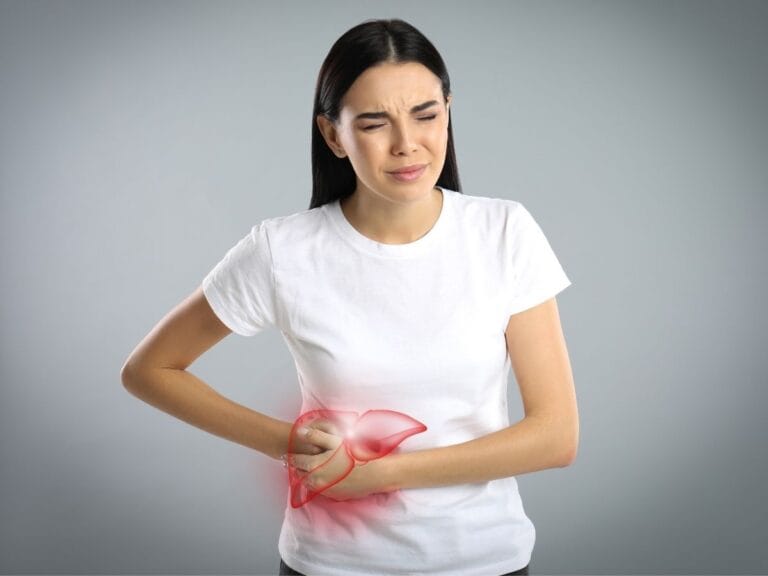
It is a silent disease that shows a few unnoticeable symptoms. One could feel tiredness, restlessness, or pain on the right side of the stomach. Its symptomatic progression is at four stages:
Simple fatty liver
Fat is deposited in the liver, but it doesn’t have adverse effects as it is non-progressive. However, it doesn’t show any symptoms.
Steatohepatitis
At this stage, fat deposition leads to hepatitis, i.e., inflammation of hepatic cells.
Fibrosis
If persistent inflammation exists, the liver will undergo scarring, although functioning remains uninterrupted. One may feel tired and have pain in the upper right side of the belly area.
Cirrhosis
Cirrhosis is an irreversible and severe stage that will compromise liver function. Symptoms linked to cirrhosis include the following:
- Nausea
- Fatigue
- Enlarged breast in men
- Inappetance
- Itchy skin
- Ascites (excessive fluid accumulation in the abdomen)
- Abdominal cramps
- Jaundice (yellowness of skin and eyes)
- Bleeding disorder
- Edema (swelling) of limbs
- Web-like blood vessels under the skin
- Dark colored urine
- Nervousness
- Pale stool
Fatty liver symptoms in females are the same as in men. It is a life-threatening disease in advanced stages, so it should be controlled at an early stage.
Diagnosis
It is asymptomatic in the early stages, so it’s challenging to diagnose at that time. Your medical specialist would use the following procedures for diagnosis:
- Medical record
- Physical examination
- Lipid Profile
- CT scan, Ultrasound, or MRI
- Liver biopsy
How To Treat Fatty Liver?
Medicine Withdrawal
The practitioner may advise the patient to discontinue their previous medication if it impacts liver health. Instead, he will prescribe a liver-friendly medication targeting the specific issue.
Avoiding Alcohol Consumption
A fatty liver diet should eliminate alcohol intake. You may need to join an alcohol recovery program or consult a therapist to address the underlying cause.
Medication
No specific medications cure this liver ailment, but research has shown that vitamin E or diabetes-controlling medications can help manage the condition.
Liver Transplantation
As we have already discussed, the final stage, i.e., Cirrhosis, is irreversible and will eventually lead to liver failure. At this stage, the only viable option is to undergo a liver transplant.
Vaccination
Remember that timely vaccination against hepatitis A and B can save you from this deadly disease. Getting vaccinated against flu and pneumococcal disease can also be beneficial.
Exercise
Regular exercise under the supervision of your trainer will surely reduce your belly fat. Moreover, it also helps to reduce your extra weight and fat accumulation in the liver.
Medication/Supplement Intake
Never take any medicine without your doctor’s recommendation. Certain medications can cause liver damage and should be avoided in such situations.
How to Reduce Fatty Liver? Expert Solutions at GHC
Our team at GHC takes a practical approach to treating medical conditions. When assessing a patient, our first preference is to explore diet and lifestyle changes before adding medication. Medicines are sometimes necessary, but they can come with side effects, and any change to them is made together with your doctor.
Simple Steps To Manage Fatty Liver: A Natural Approach
Our dietitians believe fatty liver can often be improved, and in early stages reversed, through diet and lifestyle changes. A key driver of this condition is insulin resistance, which raises blood glucose levels and, over time, leads to fat building up in the liver. Here are some key measures we recommend for managing hepatic steatosis:
1. Weight Reduction
Losing weight is crucial for managing hepatic steatosis. Obese people are at a higher risk of developing inflammation or fibrosis in the liver, so shedding those extra pounds can make a significant difference.
2. Therapeutic Ketogenic Diet
For some patients, our dietitians use a ketogenic diet: one that is high in fats and low in carbohydrates. By sharply reducing carbs and increasing fat intake, the body enters ketosis. Instead of relying on carbohydrates for energy, the body breaks down fat into ketones, fueling the brain and body. This diet should only be followed under professional supervision.
Here’s a simple breakdown of how a supervised ketogenic diet is usually structured:
- 5% Carbohydrates: Focus on veggies and keto-friendly fruits like berries and nuts. Stay away from rice and wheat.
- 75% Fats: Incorporate healthy fats such as olive oil, desi ghee, coconut oil, cream, and cheese. It’s best to avoid processed cooking oils.
- 20% Protein: Aim for 150-200 grams daily from sources like chicken, beef, mutton, boiled eggs, and about 15 grams of flax seeds.
Ask your dietitian before adding supplements such as fish oil, vitamin C, or chromium.
3. Intermittent Fasting
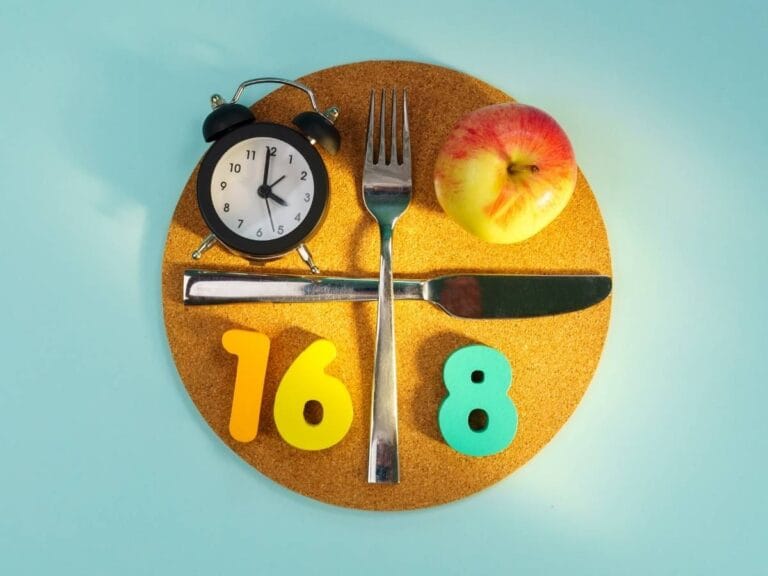
Intermittent fasting is another powerful tool in your arsenal. It helps reduce body weight, including stubborn belly fat while keeping blood glucose and insulin levels in check. This can have a positive impact on hepatic steatosis and other metabolic conditions.
4. Exercise
Don’t underestimate the power of physical activity! Daily aerobic exercise or workouts can significantly aid in reducing liver fat.
Making these changes part of your daily routine can improve hepatic steatosis, especially in its early stages, and help you lead a healthier, more active life. If you want to improve your liver health, book a consultation with our dietitians in Islamabad.

Why Ginnastic Health Center?
Expert Team
Our team of dietitians brings real experience in diabetes care and personalised diet plans.
Individualized Approach
Services are tailored to your specific health needs and goals, ensuring a personalized approach to diabetes management.
Comprehensive Care
From initial diagnosis to ongoing management, we offer a full spectrum of diabetes care services.
Patient-Focused Care
Your well-being is our priority, and we offer compassionate support throughout your health journey.
Meet the Health Professionals


asad-amjad

Dr.-M-Mehdi-Abbas

Dr.Humaira-Arif

Emaan-Azhar

Momna-Shah

Nayab-Shahid

Rakhshanda-Qureshi

Sana-Rehman
Frequently Asked Questions
If you have NAFLD without any other health issues, you don’t require any specific treatment. However, lifestyle adjustments can help manage or reverse the fat accumulation in your liver.
SLD doesn’t typically cause significant issues for most individuals unless they develop advanced cirrhosis. Many people with SLD enjoy an average life expectancy. Untreated liver cirrhosis ultimately ends up in liver failure or liver cancer.
Prevention and reversal of fatty liver disease include:
- Safely lose weight.
- Lower your triglycerides through diet, medication, or a combination of both.
- Avoid alcohol.
- Manage your diabetes, if applicable.
- Consume a balanced, healthy diet.
- Increase your physical activity.
- Schedule regular check-ups with a doctor who specialises in liver health.
Foods to Avoid for Fatty Liver:
- Poultry, except for lean white meat.
- Full-fat cheese.
- Yoghurt, except for low-fat options.
- Red meat.
- Baked and fried products made with palm or coconut oils.
- Sugary Food items like regular soda, candy, and other foods with added sugars.
It can progress to more severe conditions, including cirrhosis and liver failure. The positive news is that fatty liver disease can be reversed—and even healed—if individuals take steps, including a sustained loss of 10% in body weight.
Ginnastic Health Center is on the 3rd Floor, Interlace Plaza, I-8 Markaz, Islamabad. It is easy to reach from I-8, I-9, I-10, H-8, G-9 and Faizabad. Get directions on Google Maps.
Book online through our appointment form or call 0337 3333405. Our team will confirm your appointment time and let you know which reports or details to bring to your first visit.
Get the Best Diabetes Treatment in Islamabad
Contact Us
Take charge of your diabetes with the guidance of Islamabad’s top diabetes specialist. Contact Ginnastic Health Center today to book your consultation and start your journey toward better health.
- Address: 3rd Floor Interlace Plaza, I-8 Markaz, Islamabad
- Phone: 03373333405
- Email: ginnastichealths@gmail.com
- Website: https://ginnastic.pk/
Our committed team is ready to provide the care and support you need for effective diabetes management and reversal.
Medically reviewed by Dr. Rakhshanda Qureshi, Dietitian at Ginnastic Health Center (I-8, Islamabad).
Sources:
This page is for general information and does not replace advice from your own doctor. Please speak to your doctor before changing any medication.