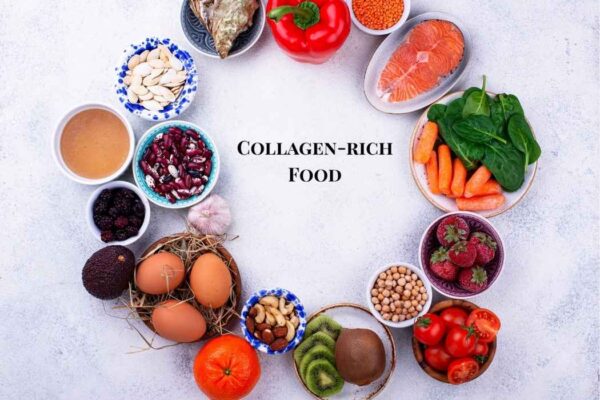

Pakistani food isn’t short on protein… wedding buffets prove that with endless seekh kababs, roast chicken, and mutton karahis. The real issue isn’t a lack of meat, but that it usually comes swimming in excess ghee and buried under heavy carbs. You don’t need expensive imported supplements or complex Western meal plans to fix this. Finding the best high protein foods in Pakistan comes down to leveraging affordable, local staples you already know and love,just with smarter prep and better portions.
Table of contents

Must Read: How to Lose 5kg in a Week: What a Dietitian Actually Wants You to Know
Is Your Daily Salan Giving You Enough Protein?
(Probably Not)
A few reasons this keeps happening:
- Meals are built around carbs first. Naan, rice and paratha take up most of the plate, and meat or daal gets treated as a side.
- Curries are cooked in enough oil to cancel out the protein benefit.
- Myths about protein “damaging the kidneys” scare healthy people away from foods they don’t actually need to avoid.
- Snacking defaults to samosas and biscuits instead of anything protein-based.
So, guys, yes!!! Our protein-rich foods in Pakistan can help. Protein slows digestion, keeps blood sugar steadier, and cuts down the 5 pm cravings that usually end at the samosa stall. None of that means giving up daal or your mother’s cooking. It just means rebalancing what’s already on your table.
High Protein Foods in Pakistan You Already Have at Home
| Food | Typical Serving | Protein (approx.) |
| Grilled or boiled Chicken breast | 100g | 31g |
| Egg | 1 whole | 6g |
| Cheese | 100g | 18g |
| Dahi (plain yogurt) | 1 cup | 10g |
| Masoor or moong daal (cooked) | 1 cup | 16-18g |
| Chana, boiled | 1 cup | 14-15g |
| Soya keema, cooked | 100g | 17-20g |
| Rohu fish (grilled) | 100g | 20g |
| Lean mutton or beef | 100g | 26g |
| Peanuts (mungphali) | small handful | 7-8g |
Well easy and quick way to use this list:
- Meat lovers ⇛ Chicken breast, lean mutton boti, grilled rohu or surmai.
- Egg and dairy fans ⇛ Eggs, paneer, dahi, milk.
- Vegetarian or budget days ⇛ Chana, masoor or moong daal, soya keema, peanuts.
- Snacking ⇛ Roasted chana, a boiled egg, or a fistful of peanuts instead of biscuits.
Doesn’t matter if you reach for a high protein food in Pakistan from the meat counter or the daal shelf, the principle stays the same. Pair it with vegetables, go light on oil, and stop treating protein like a side dish.
A Simple One-Day High Protein Food Plan, Desi Style
| Meal | What to Eat | Protein |
| Breakfast | 2 eggs + 1 cup dahi | ~24g |
| Lunch | 150g grilled chicken + 1 cup daal + salad | ~40g |
| Evening snack | Roasted chana or a handful of peanuts | ~8g |
| Dinner | Fish or cheese sabzi + 1 roti | ~20g |
| Total | ~90g |
That’s close to what most active adults need in a day, and every item on this table is sitting at your local Sasta Bazaar or utility store. No shakes, no imported bars, no jargon.

Before You Start: A Note From Ginnastic Health Centre
Expert Advice on High Protein Foods in Pakistan
High protein eating is not automatically safe for everyone. Please read this before changing anything:
- Get your bloodwork done first. A basic panel, kidney function, liver function, HbA1c and lipid profile, tells us what your body can actually handle.
- Suffering from proteinuria, kidney disease, or are on dialysis? Then this extra protein can do more harm than good. Please don’t self-prescribe based on a blog post. Consult the nutritionist near you!
- Heart patients, pregnant or breastfeeding women, and anyone on regular medication should get medical clearance before increasing protein intake.
This article is general information, not a personal diet plan. Your bloodwork is not the same as your cousin’s or your gym trainer’s.
Also Read: Keto Diet in Pakistan: Desi Foods, Gains & Risks
How Ginnastic Health Centre Builds Your Diet Plan
We don’t hand out one-size-fits-all meal plans. At our I-8, Islamabad centre, every high protein food in Pakistan and it plan starts with your bloodwork and health history, not a generic calorie chart copied off the internet.
- Bloodwork and body composition analysis first.
- Our one-on-one consult to understand your goal, whether that’s… fat loss, muscle gain, or managing PCOS and other metabolic conditions.
- Complete protein and calorie target built around your actual results, not a copy-paste template.
- Ongoing adjustments as your reports and weight change.
If PCOS, insulin resistance, or stubborn weight are part of your story, this is exactly what we handle at Ginnastic Health Centre. Book a consultation with our dietitian in I-8, Islamabad, and get a high-protein food plan built around your own reports, not a WhatsApp forward.
The Bottom Line
Having high protein foods in Pakistan isn’t a trend. It’s one of the simplest, most local fixes for a diet that’s otherwise stacked with naan and sugar. Start with what’s already in your kitchen. If you want a plan built around your bloodwork instead of a guess, Ginnastic Health Centre in I-8, Islamabad, is where to start.
Dr. Rakhshnda Qureshi is a dietitian at Ginnastic Health Centre, where she builds bloodwork-based diet plans for weight loss, muscle gain, PCOS and other metabolic conditions.
FAQs
Chicken breast, eggs, paneer, dahi and daal … are the most practical choices because they’re affordable, filling, and easy to cook without heavy oil.
Most active adults need roughly 0.8 to 1.2 grams of protein per kilogram of bodyweight daily. This shifts with age, muscle mass, and any existing kidney or liver condition, which is why a bloodwork-based plan matters more than a generic number pulled from the internet.
Not without medical supervision. Anyone with kidney disease or proteinuria should get bloodwork and a doctor’s clearance before increasing protein intake, since more protein is not automatically better for a compromised kidney.
It starts with your own bloodwork and health history instead of a generic template, so your protein and calorie targets are built for your body, not an average reader